News
Africa Governance Centre Deepens Engagement with Algerian Political Parties
19 September 2025
The Africa Governance Centre has advanced its continental outreach under the African Political Parties Initiative (APPI) with a series of high-level consultations in Algeria.
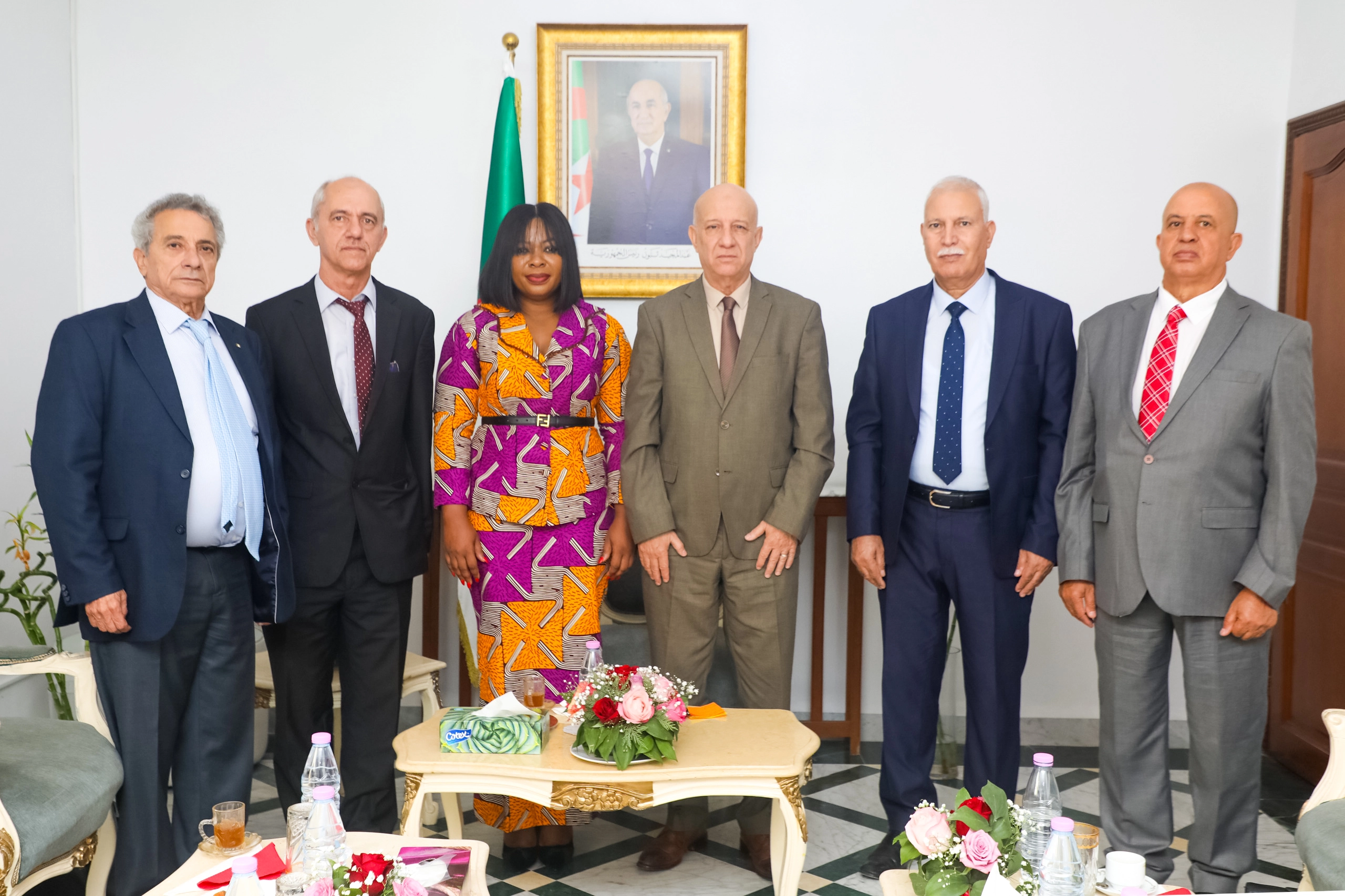
The Africa Governance Centre has advanced its continental outreach under the African Political Parties Initiative (APPI) with a series of high-level consultations in Algeria. The Chair of AGC's Executive Council, Benedicta Lasi Esq., led the mission to Algiers, where she met with the leaders and national executive committee members of three of the country's most significant political parties: the National Liberation Front (FLN), Front El Moustakbal, and the Movement of Society for Peace (MSP). The visit formed part of APPI's broader stakeholder consultation process, which seeks to strengthen political institutions, promote inclusive leadership, and support parties across Africa in contributing more effectively to governance and development.
Algeria holds a special place in Africa's political history and its contemporary governance landscape. The FLN's role in the country's independence struggle provided inspiration to liberation movements across the continent, and its continuing presence as Algeria's largest political force has made it a central pillar of governance. Alongside it, parties such as Front El Moustakbal reflect the drive for political renewal and inclusivity, while opposition movements like the MSP broaden the scope of dialogue and ensure that multiple perspectives are represented in national life. This diversity of traditions made Algeria an important setting for APPI's consultations, creating space to engage with institutions that reflect both continuity and reform within political systems.
In her consultations with the FLN, Ms. Lasi engaged Abdelkrim Benmbarek and members of the national executive on the party's institutional role and its enduring influence in Algeria's political life. With Front El Moustakbal, led by Fateh Boutbigh, the dialogue focused on renewal and inclusivity, reflecting the party's emphasis on youth participation and broader citizen engagement. In discussions with the MSP, Ms. Lasi met with Abdelaali Hassani Cherif and senior members of the executive. These consultations centred on the role of political parties in advancing Africa's development agenda, while also underlining the need to expand opportunities for youth and women within political institutions. Across all three meetings, a unifying theme was the recognition that political parties have a vital role to play in Africa's development and economic transformation, positioning themselves as institutions that connect governance with inclusive growth and long-term progress.
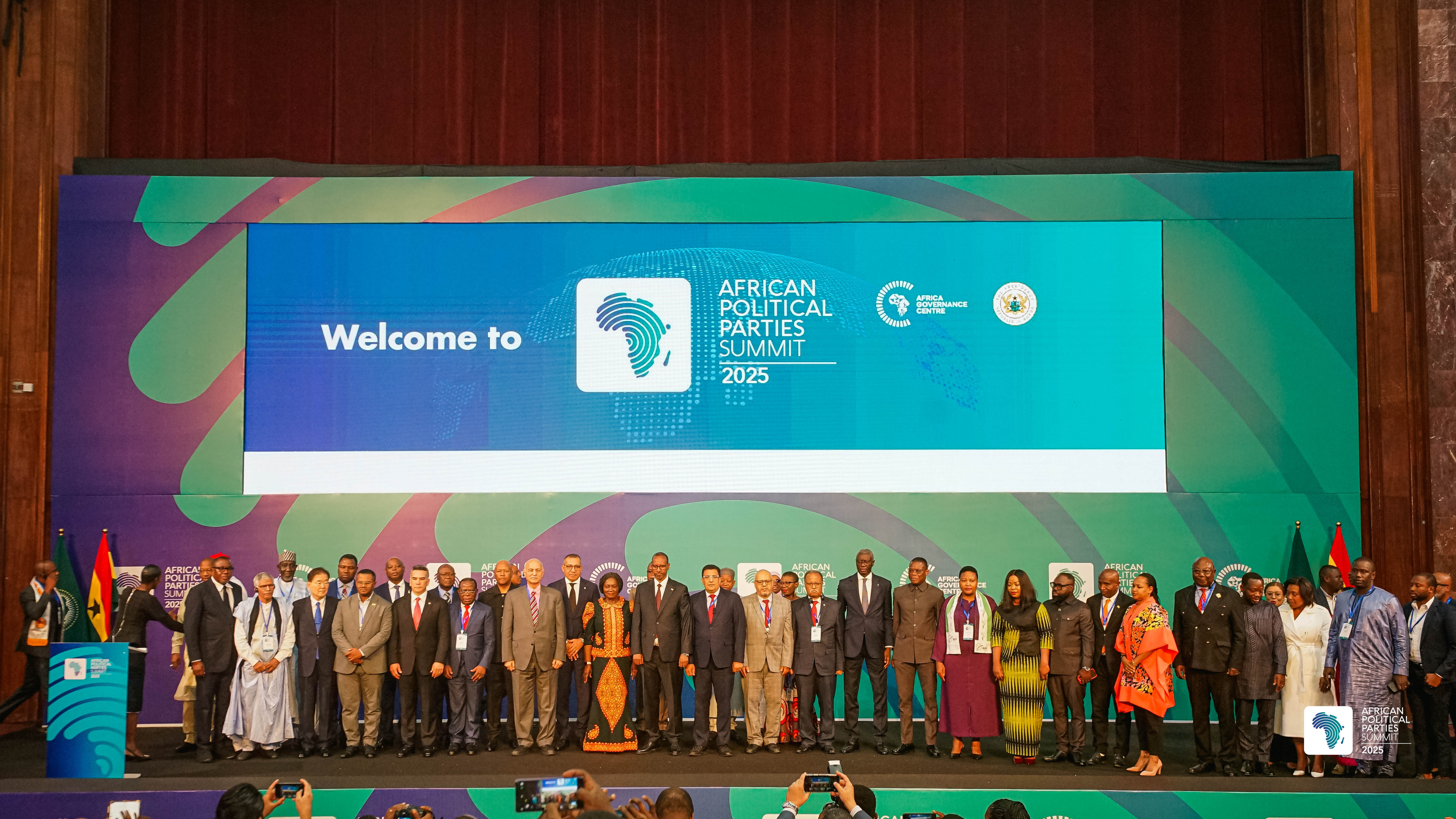
The discussions reaffirmed APPI's central objectives. They highlighted the need for political parties to strengthen their internal systems so that they remain credible and effective between electoral cycles. They also drew attention to the urgency of inclusive leadership, noting that Africa's demographic realities require greater representation of women and young people in decision-making. Dialogue was emphasised as a means of fostering stability and cooperation across political traditions, while national development planning was highlighted as an area where parties can provide continuity and policy direction. These themes echoed the commitments adopted at the African Political Parties Summit held in Accra in August 2025, while the Algerian consultations offered a national perspective to enrich the continental dialogue.
A highlight of the mission was Ms. Lasi's Keynote Address at the Summer University, organised by Front El Moustakbal and held at Oran University. The event brought together party leaders, national executives, scholars, and youth representatives for an exchange of ideas on the role of political parties in governance and policy development. In her address, Ms. Lasi emphasised that political institutions must rise above short-term competition for power to become enduring actors in national life, shaping long-term governance and development. "Political parties must not be reduced to instruments of electoral competition," she said. "They must evolve as enduring institutions of the state, capable of guiding transformation, safeguarding the public interest, and shaping national development strategies that extend beyond political cycles." Her keynote prompted reflection among participants on how parties could strengthen their policy capacity, embed evidence-based research into governance, and contribute to continuity in development planning.
The consultations concluded with a shared understanding of the importance of continued exchanges. These engagements form part of APPI's broader continental outreach.